Knoxville Riot, 1919
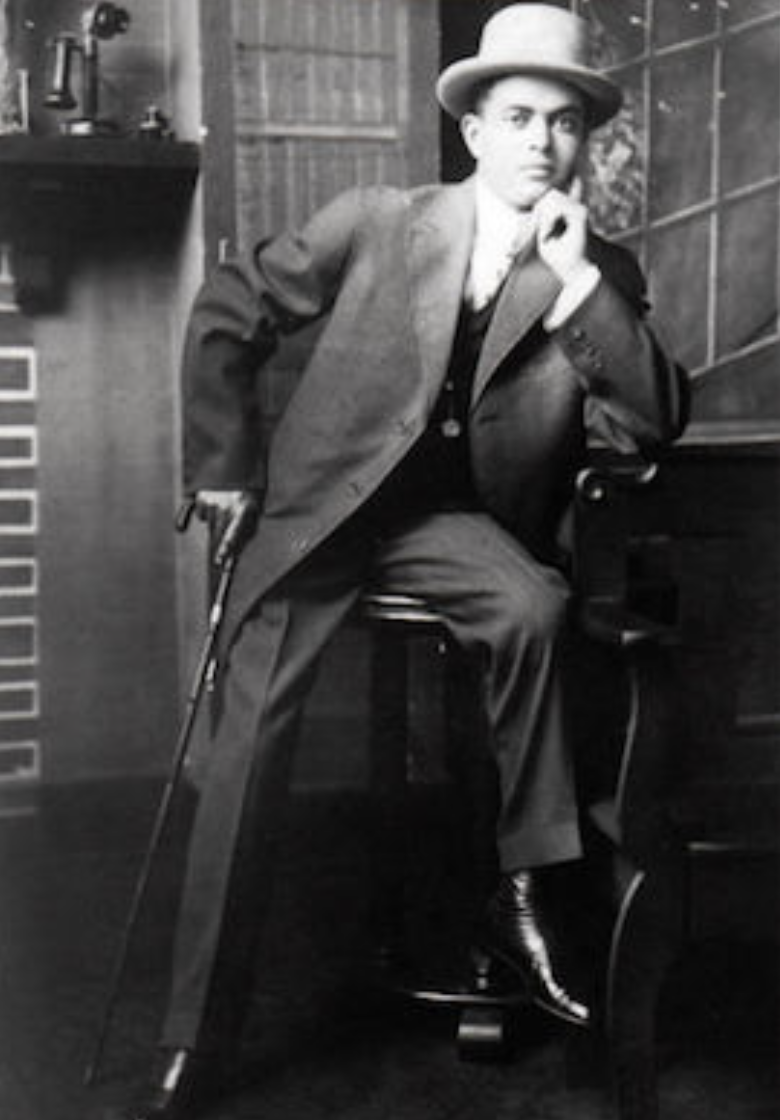
Knoxville loved to brag about its "good race relations." Black residents could vote, hold public office, sit on juries, even serve as police. The city's boosters marketed it as progressive, enlightened, a model of the New South. Then August 30, 1919 arrived, and the mask came off. What followed was two days of machine gun fire, a lynch mob turned loose, and the execution (three years later) of a man almost certainly innocent. This was Red Summer, when white mobs attacked Black communities in more than two dozen cities across America. Knoxville wasn't special. It was just another place where white supremacy showed its teeth.
The Setup
The summer of 1919 was soaked in blood across America. World War I had ended, and Black veterans came home to discover they'd fought for a democracy that didn't include them. Half a million Black Americans had fled Jim Crow's South for Northern cities during the Great Migration, looking for jobs and freedom. White workers, terrified of competition and fed a steady diet of racist propaganda, lashed out. The Red Scare fanned the flames, with officials blaming "Bolsheviks" for Black people daring to demand their rights. Chicago, Washington D.C., Elaine (Arkansas), Omaha - the violence was everywhere. Between May and October, at least 25 cities erupted. An estimated 600 people died, most of them Black. James Weldon Johnson of the NAACP named it the "Red Summer" for all the blood in the streets.
Knoxville wasn't immune to the tension. The post-war recession hit hard. Jobs vanished. Migrants poured in from the countryside. White working-class resentment simmered, stoked by newspapers and politicians who blamed Black workers instead of the bosses. Both the Ku Klux Klan and the NAACP opened chapters in 1918. A prowler called "Pants" had been terrorizing white women for weeks, but police barely investigated. White Knoxville was choosing its targets.
The Murder and the Arrest
At 2:30 AM on August 30, an intruder broke into the home where Bertie Lindsey, a 27-year-old white woman, was staying with her cousin, Ora Smyth. The intruder shot Lindsey dead. Smyth, barely able to stand from shock, told police it was a Black man.
Patrolman Andy White heard the call and immediately had his suspect. "I'll bet that damned Maurice Mays killed that woman," he told his partner. White had hated Mays for years, ever since Mays allegedly interfered with an arrest at his establishment, Stroller's Café. Mays was a 32-year-old biracial man who operated the café in Knoxville's red-light district. He served Black and white customers alike, which made him a target. He was also politically connected - rumored (correctly) to be the illegitimate son of Mayor John E. McMillan, who bankrolled Mays' businesses in exchange for delivering Black votes.
White and other officers arrested Mays at his home. They found a pistol in his dresser but couldn't smell gunpowder on it. Muddy tracks led away from the murder scene. Mays' clothes and shoes were clean and dry. None of this mattered. White hauled Mays to the crime scene, put him under a streetlight, and had Smyth - traumatized, barely conscious, held upright by officers - identify him. She barely glanced at him before saying it was Mays. He protested his innocence. He would keep protesting for the next 31 months, right up until the state killed him.
The Mob
By 8 AM, a crowd had formed at the Knox County jail. Sheriff W.T. Cate knew what was coming. He dressed Mays in a wig, veil, and dress, and smuggled him out to Chattanooga. At noon, the Knoxville Sentinel hit the streets with lurid headlines about the murder and arrest. The crowd swelled to 5,000. By 6 PM, they were demanding Mays be turned over. Jail officials insisted he wasn't there. The mob didn't care.
Around 9 PM, the mob stormed the jail. They ransacked it looking for Mays, freed white prisoners, consumed confiscated moonshine, and looted weapons from downtown hardware stores. Then they turned toward Knoxville's Black neighborhoods.
Black residents, many of them World War I veterans, armed themselves and waited. When the mob and poorly disciplined Tennessee National Guardsmen arrived, they met gunfire. The Guard didn't restore order - they joined the attack, firing two machine guns indiscriminately into Black homes and businesses. One Guard officer was killed by friendly fire. The battle raged for hours. By dawn on August 31, additional troops finally dispersed the mob.
The Aftermath
Official reports said two people died. Other newspapers reported five, seven, "scores dead." Eyewitnesses said the real toll was much higher. Hundreds were wounded. Black families fled Knoxville by the hundreds, never to return.
Fifty-five white rioters were charged with minor offenses. All were acquitted. Maurice Mays wasn't so lucky.
The Execution
Mays was tried twice. The first jury took eight minutes to convict him and the judge sentenced him to death. The conviction was overturned on appeal due to a technicality - a new law required juries, not judges, to impose death sentences. At the second trial in April 1921, the jury deliberated 30 minutes before sentencing him to die in the electric chair.
There was no physical evidence. The gun didn't smell of powder. Mays' clothes were clean. Muddy tracks led away from the scene. Officer White had perjured himself. The eyewitness identification was a sham - a traumatized woman barely able to stand, shown only one suspect under a streetlight by the cop who hated him. Even Governor Alfred Taylor granted a 90-day stay, citing letters from "hundreds of citizens, white and black" who doubted Mays' guilt. It didn't matter.
On March 15, 1922, Maurice Mays was strapped into the electric chair in Nashville. His last words: "I am dying to satisfy a few Republican politicians. I am innocent as the sun that shines." Earlier, in his final prayer, he said: "Oh God, I am innocent of the crime for which I am to die... Cleanse the sinful hearts of men who have dipped their fingers in my innocent blood."
He was 35 years old. He's buried in an unmarked grave at Knoxville's Odd Fellows Cemetery.
What We're Left With
The Knoxville Journal insisted it wasn't a race riot, just the city's "rabble" acting out. Congressman John Chiles Houk claimed the mob would've gone after a white suspect just as eagerly. These were lies designed to protect the city's reputation and the system that allowed the massacre to happen.
Andy White, the cop whose vendetta set it all in motion, died of a heart attack a year after Mays' execution. No one else faced consequences. Not the mob. Not the National Guardsmen who turned machine guns on civilians. Not the prosecutors who railroaded an innocent man. Not the officials who let it all happen.
Knoxville's "progressive" race relations were a fiction. The Red Summer exposed the truth: when Black Americans demanded basic dignity, white America responded with bullets, and the state backed the killers every time.
Sources
- Lee E. Williams and Lee E. Williams II, Anatomy of Four Race Riots: Racial Conflict in Knoxville, Elaine, Tulsa, and Chicago, 1919-1921 (University Press of Mississippi, 2008)
- Robert J. Booker, The Heat of a Red Summer: Race Mixing, Race Rioting in 1919 Knoxville (Randall House Publications, 2001)
- Donald F. Paine, "Race and Murder in Knoxville, 1919: The Trials of Maurice Mays," Tennessee Bar Journal (March 2007)
- Matthew Lakin, "A Dark Night: The Knoxville Race Riot of 1919," Journal of East Tennessee History, No. 72 (2000)
- Cameron McWhirter, Red Summer: The Summer of 1919 and the Awakening of Black America (Henry Holt, 2011)
- Tennessee Encyclopedia of History and Culture, "Knoxville Riot of 1919"
- BlackPast.org, "Knoxville Race Riot (1919)"